Tracing the Supply Lines of Tepito
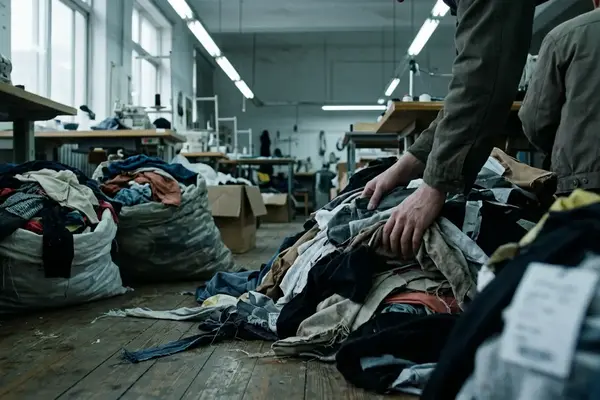
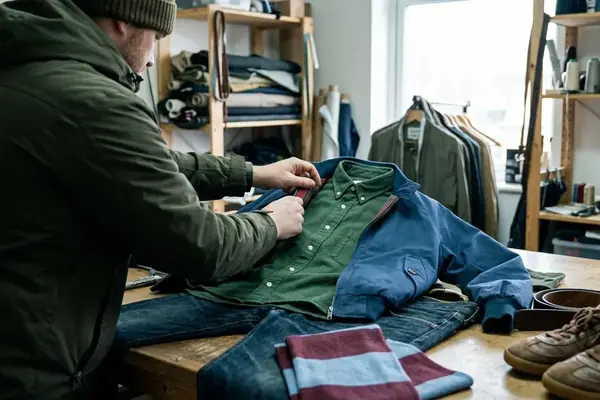
Start with the physical reality of the garment. The circulation systems visible in Tepito and other tianguis operate on immediate utility rather than seasonal fashion calendars. Cash sales drive the ecosystem. Parallel imports sit alongside bootleg graphics, vintage Mitchell & Ness outerwear, and highly customized pieces. A vendor might repair heavy wool flannel workwear on the same day a buyer requests a specific alteration. You might even spot a bootleg scarf from FC St. Pauli, the German football club, repurposed for local terrace culture. This environment prioritizes function, repairability, and local exchange. The clothing serves the immediate needs of the people wearing it.
While Tepito effectively demonstrates how informal commerce and visual circulation operate, it cannot stand in for every neighborhood, class position, or streetwear community across the capital.
Somewhere in the late 2010s, a distinct shift occurred. International fashion media and foreign buyers began treating the city as a mood board. The focus moved away from repairable basics and unofficial merchandise. By the early 2020s, market visibility had shifted toward limited drops, standardized size runs, polished campaign images, and overseas shipping. The global gaze transformed a localized system of utility into a highly exportable aesthetic. The infrastructure of the tianguis became a backdrop for international lookbooks.
The Flattening of Barrio Iconography
International demand encourages the distillation of complex local culture into easily digestible motifs. Campaign imagery frequently places stylized models against the ordinary circumstances from which their symbols are taken. The removal of practical urban details follows a predictable script, and campaigns from the past several years have followed it closely.
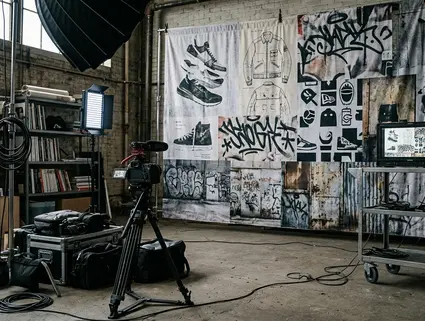
These campaigns consistently rely on repeated combinations. Blackletter typography, Virgen or Sacred Heart imagery, airbrushed chrome, weapons-coded posing, and distressed Spanish slogans dominate the visual language. The raw, lived experience of the city undergoes a sanitization process for foreign audiences. Practical details vanish entirely. Public transport, active workshops, school schedules, family businesses, and garment care disappear from the frame. Concrete walls, security shutters, motorcycles, and religious objects remain solely as portable scenery.
This flattening process strips the context from the clothing. The resulting garments appeal to outsiders seeking an edgy aesthetic while completely misrepresenting the daily reality of the creators living in those neighborhoods.
Following the Thread from Mood Board to Cutting Room
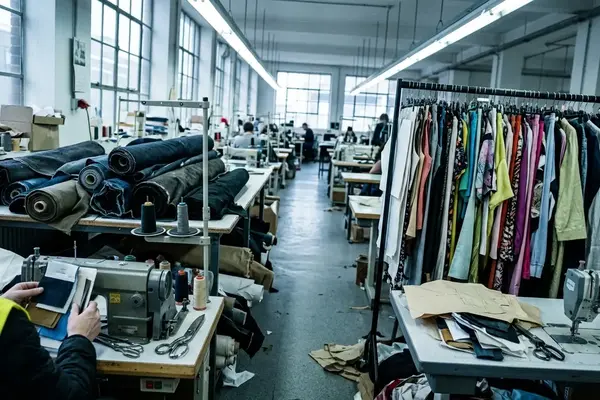
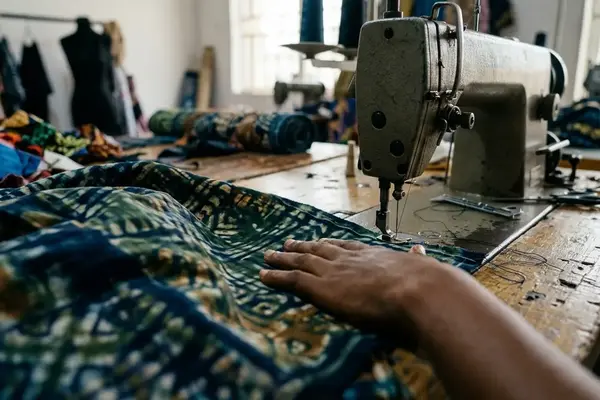
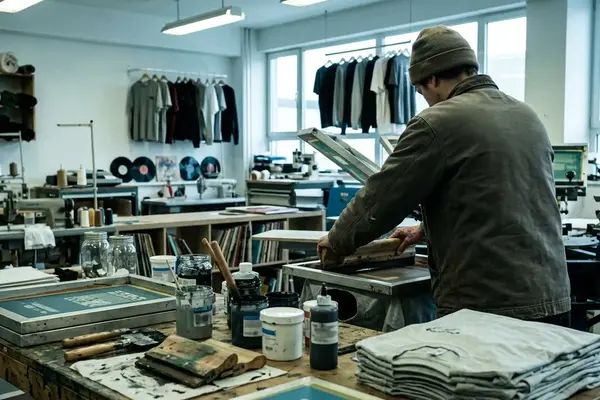
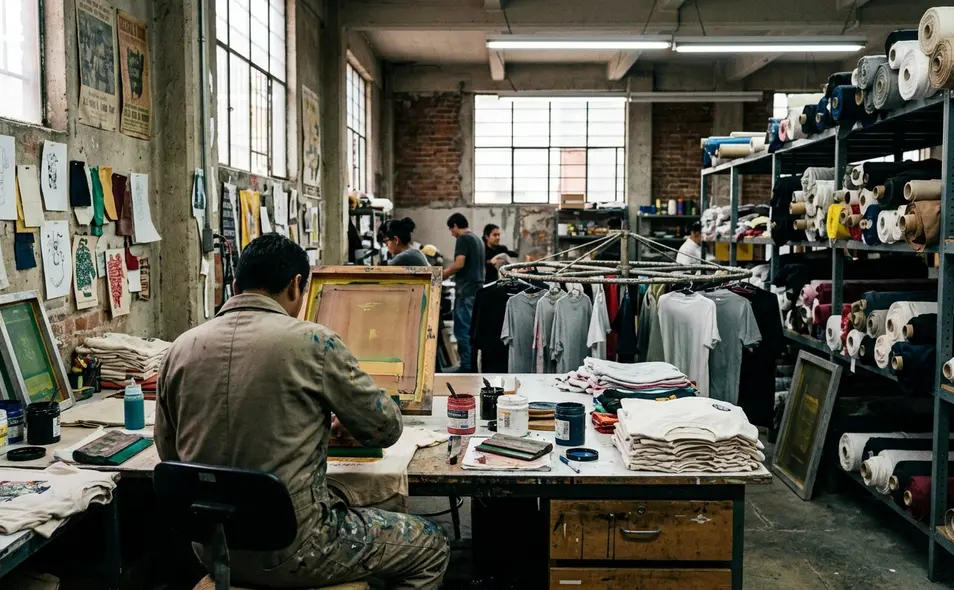
Evaluating a brand requires following the money and the garment through separate stages. The four-address garment breakdown provides a reliable framework. Identify where the reference was found, where the cloth was cut, where the seams were closed, and where the graphic was applied. This methodology prevents a campaign shot in a neighborhood from being mistaken for actual investment in that community.
Production Verification Standard: Criteria drawn from observation of Mexico City manufacturing disclosures and the four-address garment breakdown methodology.Compare the stated Mexico City identity with the disclosed locations of patternmaking, cutting, sewing, washing, printing, embroidery, and fulfillment. A campaign shot in a neighborhood frequently masks an extractive supply chain. True reinvestment leaves a verifiable paper trail. Look for recurring workshop orders, paid apprenticeships, and contributor credits tied to actual roles. Brands building genuine infrastructure use neighborhood venues beyond a single shoot day. They fund youth programming that remains accessible without purchasing a garment.
Evaluating Production Footprints
Global reach and international collaboration offer significant benefits, provided they do not rely on extractive supply chains. The editorial standard requires looking past marketing copy to examine where garments are actually cut, sewn, and printed within the city.
Three Passes for Verifying Authentic Engagement
Vet a project systematically to separate genuine engagement from souvenir streetwear. The Tepito-image boundary provides the baseline metric. Neighborhood language becomes extraction when the barrio supplies the backdrop and symbols but no paid hand, production room, recurring commission, or locally usable space.
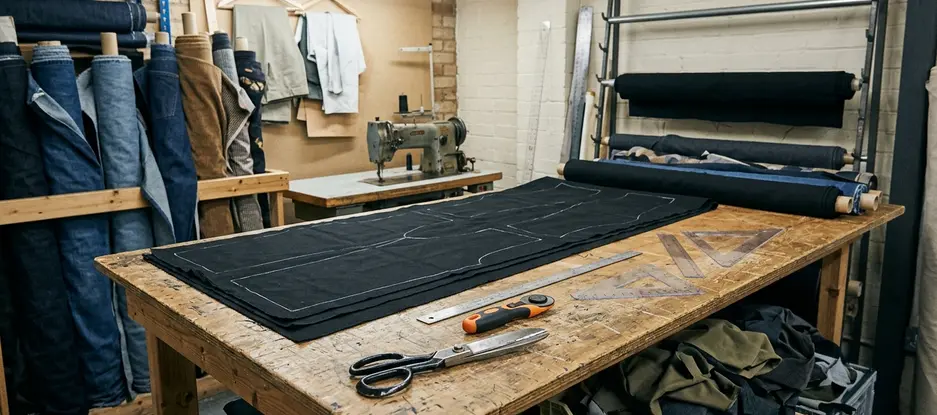
- Inspect the product page. Look for fiber origin, manufacturing location, workshop credit, and care information. A credible sourcing account distinguishes among textile origin, garment assembly, and decoration. Phrases like 'designed in Mexico City' or 'finished locally' fail to establish where blank garments were knitted, cut, or sewn. Transparency requires specific addresses and named partners.
- Inspect at least one full release cycle. Check activity across six months to a year and see whether local collaborators reappear after the initial campaign. One donated workshop, launch party, or casting call provides weaker evidence than repeated paid work involving the same cutters, printers, photographers, musicians, skaters, or neighborhood organizers.
- Verify the physical footprint. Souvenir streetwear projects design exclusively for the expat and tourist gaze. These operations signal their intent through bilingual copy written primarily for visitors and prices shown only in foreign currency. They use neighborhood names without contributor credits, repeat identical tourist-facing symbols across every release, and cluster their pop-ups around hospitality districts rather than the communities pictured.
Demanding Structural Support Over Surface Aesthetics
Coverage, retail placement, and consumer recommendations must follow disclosed production and recurring local participation. Compelling art direction alone warrants zero automatic premium. When two projects draw on similar Mexico City imagery, preference belongs to the operation that identifies who made the garment, where value was added, and how collaborators received compensation.
Before covering or buying the next release, request four specific pieces of information. Ask for the country and city of assembly, the printing or embroidery location, the named creative roles, and evidence of recurring neighborhood participation. Measure this commitment over two to four release cycles rather than during a single launch week. Structural support appears in repeat orders, durable workshop relationships, paid credits, accessible local programming, and production knowledge retained by creators.
Withhold the automatic premium granted to limited quantities, imported retail placement, foreign press coverage, or provocative imagery when production details remain undisclosed. The next time a brand shoots its lookbook against a Tepito security shutter, ask for the name of the cutter and the address of the print shop. If nobody can answer, the shutter was scenery and the clothes were souvenirs.