The Evolution of the Streetwear Boutique
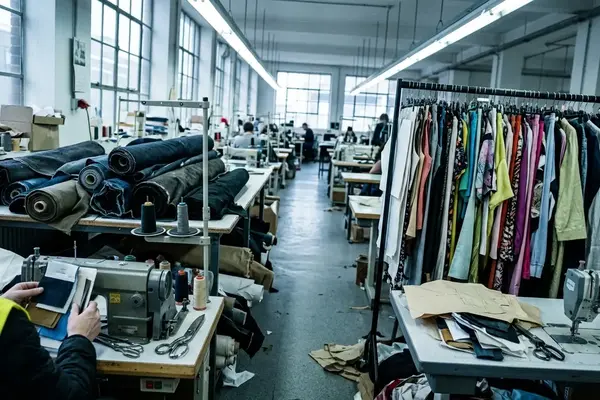
I remember when buying independent menswear meant navigating a cramped room that smelled faintly of incense and damp cardboard. The inventory was entirely in your sightline. You dug through densely packed rails to find your size. Between 2016 and 2023, that model was systematically dismantled. Menswear boutiques increasingly began treating the retail floor as an architectural installation. Racks disappeared. Stock drawers were hidden behind seamless panels. The product edit became deliberately sparse.
This transition did not happen in a vacuum. It was a decision made under immense pressure from two opposing sides. Underground labels wanted the legitimacy of serious architecture to justify rising price points. Simultaneously, landlords and developers wanted tenants that could anchor high-end real estate without looking like a temporary pop-up. Physical space became a proxy for subcultural cachet and brand legitimacy.

The operational logic shifted entirely. The newer model moves the depth of stock into the basement, a mezzanine, or back-of-house storage. The front room is left empty to perform as brand theater. The historical context of underground fashion moving into high-end real estate required this visual cleanup, but it fundamentally altered how consumers interact with the clothing.
The Sterile Gallery Epidemic
Walk into a newly opened flagship today. You will likely find one garment per rail. Wide negative space surrounds custom plinths. Hard white lighting washes out the corners. The rooms are silent. There is no visible fitting-room mess. Staff are positioned at the perimeter rather than embedded in the floor.
This is the dead-room version of minimalism. The customer feels watched. The product feels untouchable. Staff act as security guards rather than cultural conduits. Watch customer behavior during store visits in these environments. Do they touch the wool flannel? Do they ask questions, sit down, or browse records? Or do they leave after a single slow lap?
Warning: Prioritizing architectural ego over subcultural roots damages brand authenticity. When a space mimics an intimidating, clinical art gallery, it sacrifices tactile discovery and community interaction.
Restraint is not the same as sterility. A space can be clean without being hostile. When a brand strips away all signs of human use, they signal to the customer that the architecture is more important than the people occupying it.
Elevating Product vs. Alienating Community
Expensive construction can slow people down and make them read a garment as intentional. Acknowledging this argument is crucial. When a heavy jacket hangs in isolation, the perceived value rises—an effect that architects rely on heavily. High-end design commands attention.
Yet value elevation does not require an exclusionary atmosphere. Product spacing can be generous while touchpoints stay human-scale. Think bench seating, reachable rails, and visible mirrors. Staff should be able to unpack fit, fabric, and reference points without turning the exchange into a rigid sales ritual. Treating streetwear purely as fine art rather than lived culture is a severe limitation.
This critique matters most for labels claiming roots in streetwear, music, skating, or DIY publishing; a purely formal luxury house has an entirely different social contract with its customer. For brands built on community, the space must reflect that origin. Ongoing research into the sociological impact of physical retail environments confirms that spatial flow dictates social interaction. If the space is hostile, the community will fracture.
Case Studies in Spatial Authenticity
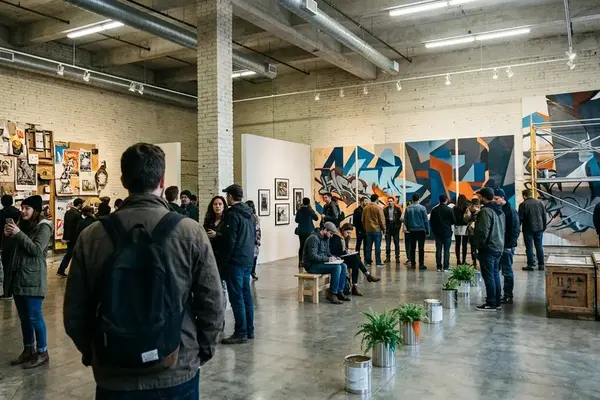
Consider retail environments that successfully blend high architecture with underground grit. Context-dependent variation is non-negotiable. A Tokyo-style upstairs micro-boutique, a warehouse district flagship, and a neighborhood skate-adjacent menswear shop cannot use the same silence, lighting, or circulation logic without losing local credibility.
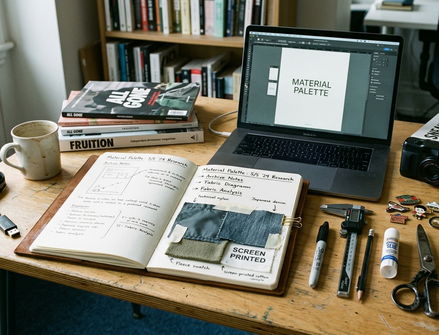
Successful spaces share a specific material palette that holds both polish and grit. Sealed concrete floors. Brushed or blackened steel rails. Reclaimed timber counters. Rubber flooring near fitting areas. Exposed ceiling services and warm task lighting instead of a uniform white wash. These raw, industrial materials ground the space and invite interaction.
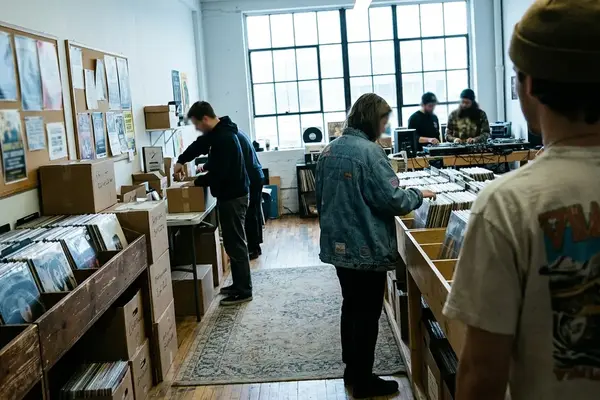
Watching how people move, a successful room often gives customers a reason to pause before the register. A bench, a magazine stack, a listening corner, or a communal table placed away from the transaction point encourages lingering and conversation. If you are selling a vintage Mitchell & Ness piece, the customer needs space to handle it, discuss its history, and try it on without feeling rushed. Whether the community centers around a local skate spot or the terraces of FC St. Pauli, the physical environment must serve as a gathering point, not just a point of sale.
Designing for Cultural Utility
Treat the store brief like a cultural operating system. Start with the uses the room must survive. Drops, fittings, archive displays, DJ sets, small talks, repairs, and dead weekday afternoons. Map the architecture around these behaviors.
Pro Tip: Settle fixture strategy and power/data placement during the design-development phase, before final construction drawings. Waiting until the contractor has priced the room guarantees compromises.
Practical Implementation Strategies
Building a new retail environment requires balancing architectural ambition with the practical needs of the menswear consumer. Event-ready operational details are critical.
- Incorporate movable rails with lockable casters to allow the space to transform for events.
- Design plinths that double as seating during community gatherings.
- Install concealed floor boxes and dimmable track lighting to adapt to different moods and functions.
- Build a secure back-of-house zone for personal bags and a checkout point that can shrink when not in use.
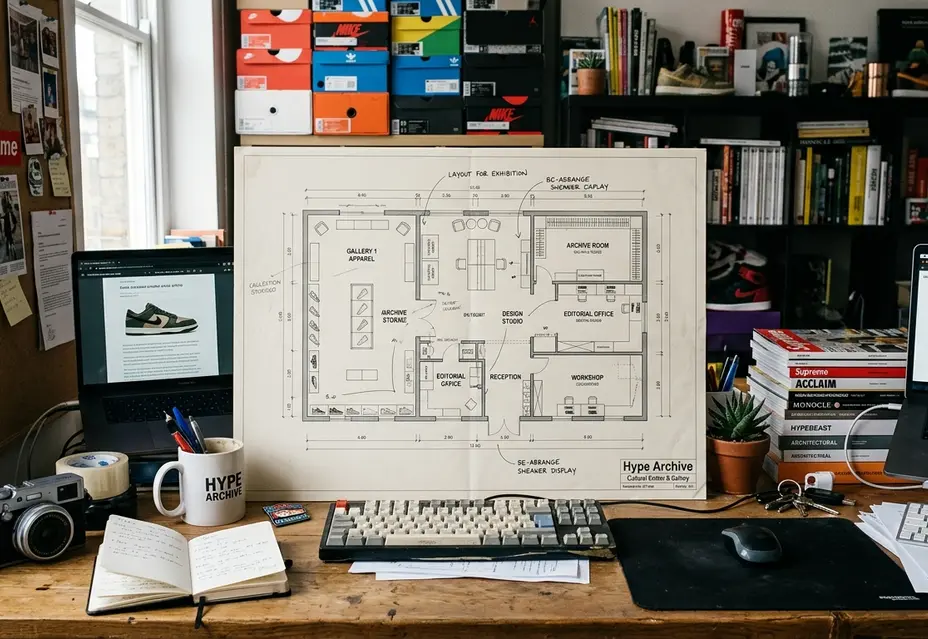
Menswear specific needs require protection. Fitting rooms need real lighting, not dramatic shadows. Mirrors must show the trouser break and shoulder line accurately. Seating is required for lacing up footwear. Outerwear requires enough circulation so customers do not brush every rack when trying on a heavy coat.
Consider the worst failure case. A store spends heavily on stone, glass, and custom plinths but forgets where people sit, where staff explain sizing, where friends wait, and how a customer handles a garment. The room photographs well and behaves badly.
Key Takeaway: A retail space must function as a tool for the community it serves. Architecture should facilitate connection, not prevent it.