The Evolution of Streetwear Distribution
The distribution shift was not a clean move from old retail to new retail. It was a sequence of defensive decisions.
Independent menswear labels first needed wholesalers because UK stores carried the cultural weight. Traditional wholesale buying in this market has usually revolved around seasonal order windows. Retailers committed months before product landed rather than buying continuously.
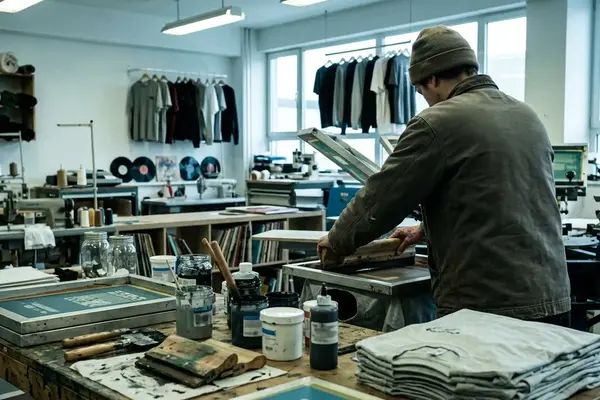
Then the landscape fractured. direct-to-consumer (DTC) channels became materially more important for independent menswear during the 2010s. Brand-run web shops made archive drops, collaborations, and small capsule releases easier to control. You no longer had to convince a buyer that a niche graphic tee deserved rack space. You just had to reach the subculture directly.
Building 'a number of names*'
Soho functioned as both showroom territory and cultural filter. A buyer could see the product. The brand could observe who actually wore it and how it moved through subcultural circles.
Craig Ford's route into the business reads like a practical apprenticeship in both sides of the counter. He learned what makes a garment sell in a shop, then learned what makes a label viable across accounts. The distributor role was especially important for labels entering the UK without local staff, local warehousing, or existing relationships with independent retailers.
Key Takeaway: Distribution requires cultural translation as much as it requires logistics and warehousing.
The anon* 2.0 Relaunch and Visual Identity
The 2014 relaunch appears to have been treated less like a logo refresh and more like a correction of tone. The original visual language had accumulated recognition, but it also risked freezing the project in a specific era.
The relaunch was positioned in 2014 as anon* 2.0 rather than a total erasure of the original operation. The key visual move was away from the earlier ITC Lubalin-associated feel. They shifted toward a more contemporary identity that could carry retail, distribution, and publishing-style communication.
Strategic Collaborations and Heritage Partnerships
The collaboration logic in this lane is not to paste one logo onto another object. The stronger process starts by identifying what each party owns culturally. One side may bring archive credibility. The other brings a specific subcultural audience.

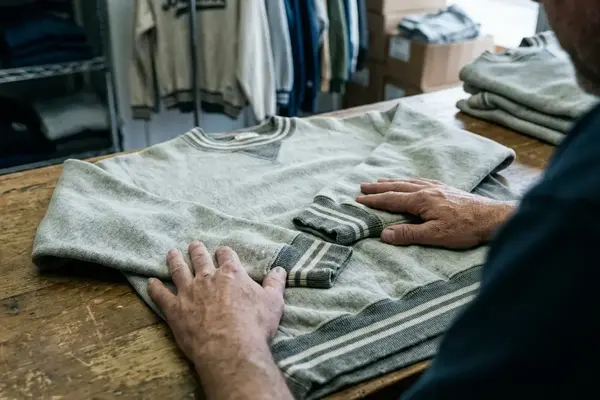
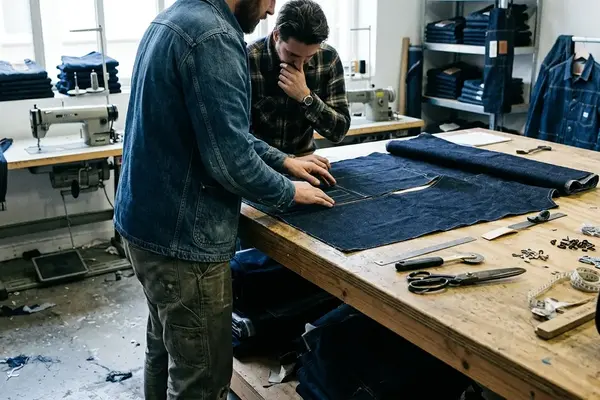
During the multi-season collaboration with American sportswear heritage brand Ebbets Field Flannels, the mechanics of partnership became clear. A heritage sportswear collaboration typically depends on pre-production decisions around the base garment, fabric weight, embroidery or patch treatment, lining, trim, and labelling before any public announcement makes sense.
For archive-led pieces, the most sensitive changes are often proportion, pocket treatment, colour, and branding scale rather than the headline silhouette. You iterate on classic silhouettes, like the M-65 jacket, while maintaining the core identity of both collaborating parties.
Navigating the Modern Retail Landscape
Running an own-channel web shop beside physical retail and wholesale accounts forces a constant sequencing problem. Product cannot simply drop everywhere at once if the brand wants to protect stockists.
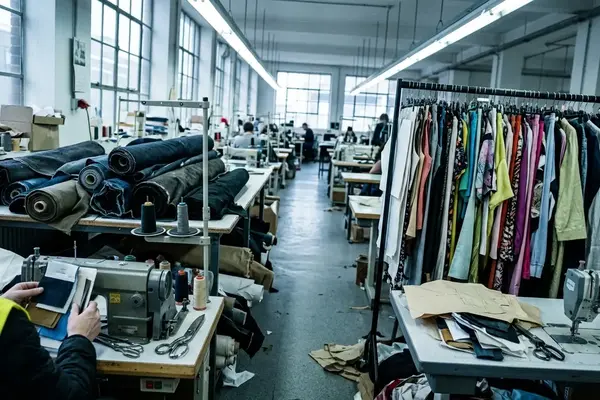
Independent labels commonly have to commit to production before demand is fully visible, especially when fabric, trim, or specialist manufacturing is locked ahead of delivery. A realistic production path for small-batch menswear can involve sampling, sales, manufacturing, freight, and allocation across roughly a 12- to 24-week span. Delays are most damaging when the garment is tied to weather or a seasonal styling moment.
The riskiest channel mix is single-channel dependence. One algorithm change, one late shipment, one weak wholesale season, or one rent increase can distort the entire cash cycle.
This multi-channel approach is practical only when the brand can keep allocation discipline; if wholesale accounts see direct customers receiving better timing, pricing, or exclusives too often, trust erodes fast.
Warning: Single-channel dependence leaves independent labels exposed to sudden cash cycle distortions.
The Future of Independent Menswear
Supporting data confirms that between 2021 and 2024, small independent labels faced sharper pressure from freight uncertainty, rising production minimums, and customers becoming more selective about non-essential purchases.
An independent label can gain quick online attention from a graphic-heavy drop, then lose credibility when the garments arrive with poor fit, weak blanks, or no connection to the subculture being referenced. Context dictates survival. A Japanese-leaning heritage menswear customer may reward slow fabric stories and subtle pattern changes, while a club- or skate-adjacent streetwear customer may respond more to timing, scarcity, styling, and who is visibly wearing the piece.
The next decade of independent menswear is likely to reward operators who treat subculture as lived practice rather than mood-board extraction.
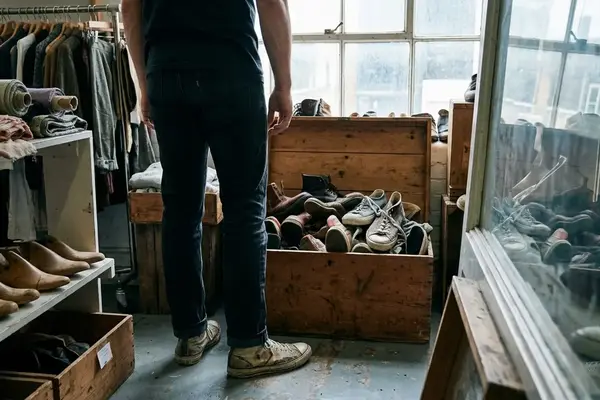
Physical shops remain most valuable when they operate as cultural rooms—hosting informal product education, local community contact, music or art adjacency, and archive discovery rather than functioning only as checkout spaces.
Pro Tip: Treat physical retail spaces as cultural rooms for product education and community contact, not just checkout counters.