The Void Before Gwarizm
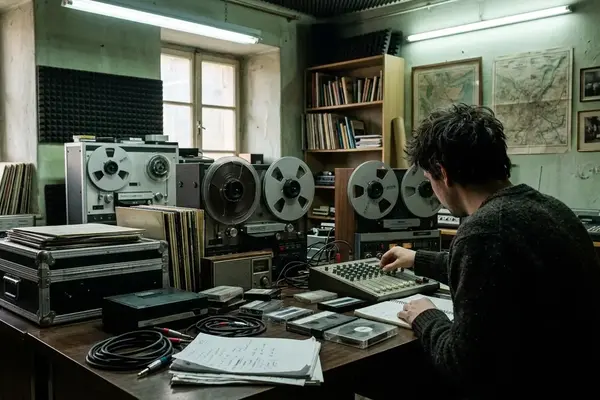
The early 2000s streetwear media landscape was a wasteland of uncritical hype. Writers treated subculture like a press release. Brand-fed narratives moved faster than verification. From the terraces of FC St. Pauli to the back alleys of Harajuku, product copy masqueraded as cultural criticism. I remember digging through forums back then, looking for anyone treating the clothes with the same rigor as the music that inspired them. The silence was deafening.
Gary Warnett stepped into that void out of necessity. Fired from his job in 2001, he began taking around £10 music review assignments to stay afloat. Those low-paying gigs became a brutal training ground for concise, uncompromising critique. By Summer 2009, he launched the Gwarizm WordPress blog. It gave his archive-minded writing a direct publishing channel outside conventional magazine pacing. He bypassed the hype—a necessary survival tactic in an era of uncritical consumption.
Anti-Nostalgia and the Details of Design
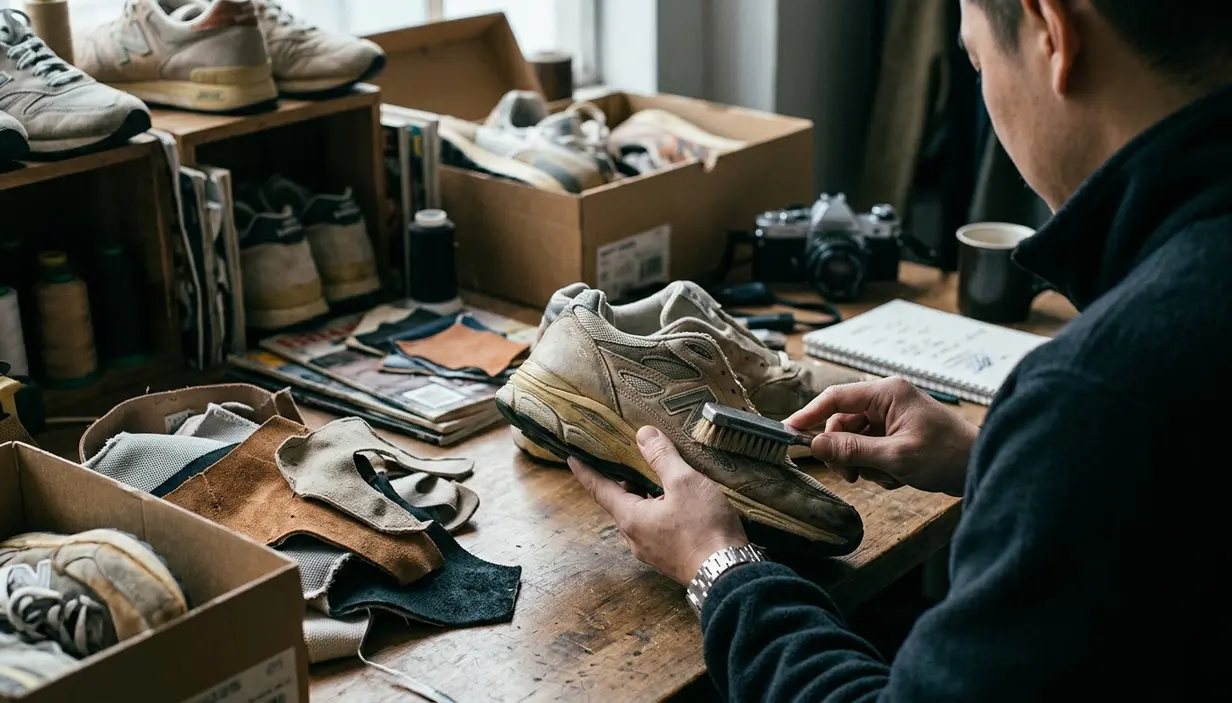
Warnett rejected lazy nostalgia. He favored deep, technical dives into sneaker culture, treating the subject as a research practice rather than mere fandom. A single runner silhouette’s mid-1990s cushioning story could lead straight into the internal design culture of Nike's Innovation Kitchen without breaking the thread. He mapped the exact tooling changes of the Air Max 93. He documented the specific material shifts in a wool flannel overshirt. He treated streetwear not as disposable fashion, but as a serious subcultural artifact requiring historical literacy.
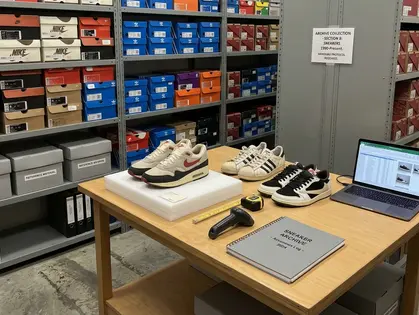
His interviews with foundational figures pushed past launch anecdotes. When he spoke with James Jebbia of Supreme or Erik Brunetti of FUCT, the conversations dug into design philosophy, retail atmosphere, and legal friction. They shared a refusal to let nostalgia do the selling. This was an 'anti-nostalgia' design philosophy in practice.
Key Takeaway: Reducing Warnett to a sneaker blogger misses the point. He used sneakers as one doorway into labor, design history, regional identity, marketing language, and underground taste formation.
Dismantling the PR Machine
My inbox is still full of the exact garbage Warnett despised. He mounted a sharp critique of lazy marketing tactics, specifically calling out mass email blasts and heavy Mail Chimp reliance. He publicly shamed basic Bcc protocol failures that exposed entire media lists, revealing exactly how little care went into supposedly targeted outreach. Brands assumed the audience was stupid. Warnett demanded they respect our intelligence.
Contrast this automated slop with authentic brand storytelling. Timberland's 'The Document' project stands as the model for PR done right. Produced with David Hellqvist at Document Studios, it behaved like cultural publishing rather than a press release dump. It required actual research. It respected the archive.
Warning: Brand storytelling is not automatically hollow, but it becomes hollow when access replaces research. The same commercial project can read as archive work or as empty hype depending on sourcing, editorial control, and respect for the audience. Warnett set a standard that publications like Proper Magazine and Hypebeast had to reckon with.
The Uncomfortable Truths of Production
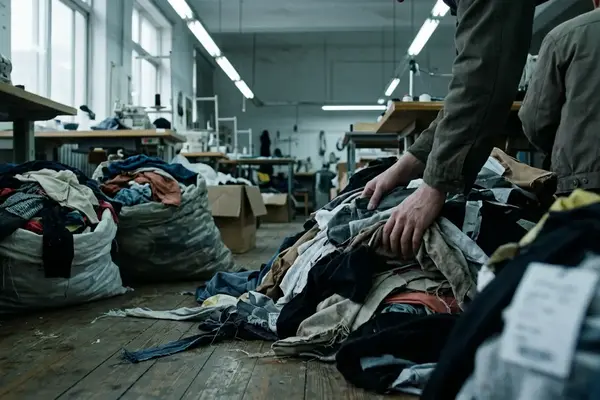
Warnett did not shy away from the dark side of the free market. He kept the product and the system in the exact same frame. He could write about a coveted Mitchell & Ness silhouette while still acknowledging the manufacturing reality that brought it to market. The historical pressure point he often returned to was the late 1980s through the 1990s, when sweatshop criticism became harder for global sportswear businesses to sidestep.
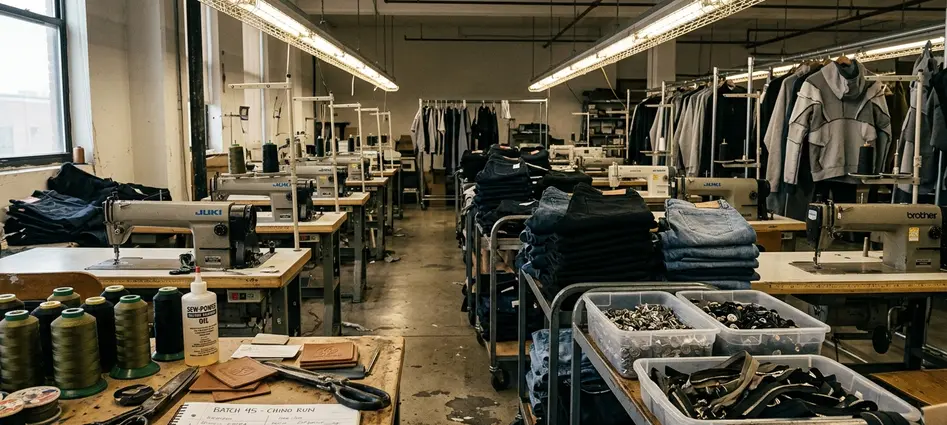
He referenced documentaries like 'Behind The Swoosh' and dissected the realities of vertical manufacturing used by giants like VF Corp. His willingness to discuss Indonesian factory conditions alongside sneaker drops proved that streetwear journalism could hold brands accountable. Supporting data confirms that the economic realities of globalized manufacturing dictate the very existence of these subcultural artifacts. Can we truly appreciate the aesthetic of a garment without confronting the hands that made it?
The Blueprint for Authentic Culture Writing
Warnett's voice endures for the 'zeitgeist generation' and brands like FALSE (Original Anarchist). His legacy is not a memorial flourish; it is a working method. Read beyond the press release. Preserve subcultural specifics. His reference field deliberately spanned Johnhead scally culture, hard rock like Van Halen, niche print media, and forum-era internet habits rather than a single fashion timeline.
Pro Tip: Modern writers must adopt his rigorous, filter-coffee-fueled work ethic. It requires long-form recall, obsessive cross-checking, and deep archive trawls.
We must acknowledge a critical limitation in this methodology. This lens is strongest when the writer can connect product history to verifiable sourcing, manufacturing geography, or public labor criticism; otherwise the argument risks becoming performative suspicion. Warnett understood this balance perfectly. His uncompromising standards continue to shape our approach to cultural archiving. He proved that design meets defiance not just in the clothes, but in how we document them.