The Resurgence of Raw Denim
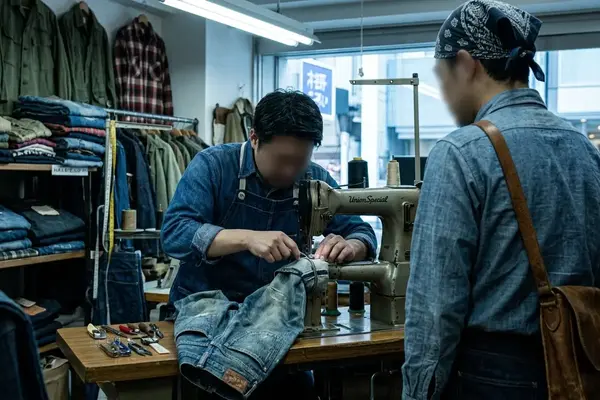
I spent the late nineties on shop floors surrounded by tragic denim. The washes were weak, the fits were awkward, and the fabric felt entirely lifeless. Then 1997 hit. A handful of collectors and obsessive buyers started importing rigid Japanese fabric. It felt like a violent correction to the clean, pre-faded memory of the era.
Before the 2003 streetwear explosion had kids mixing raw denim with Mitchell & Ness throwbacks, this was a quiet, underground rediscovery. We were looking for weight and texture. By 2010, the heritage trend reached its menswear peak. It moved from the terraces of FC St. Pauli to mainstream boutiques, setting the stage for modern subculture fashion.
Criteria for Selection
What actually makes a garment worth years of your life? Selection privileges garments that teach the wearer something over time. You learn fabric behavior, construction logic, and the stark difference between earned wear and simulated age.
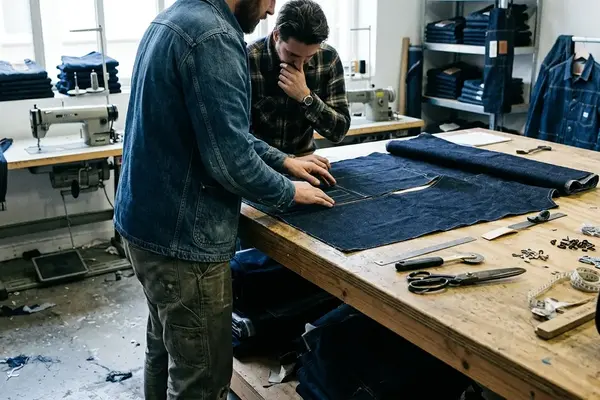
We look for authentic selvedge construction. That means denim woven on shuttle looms with a finished self-edge. We demand raw, unwashed stiffness at purchase. Fades must develop through multi-year wear rather than factory finishing. Finally, the narrative has to be real. The brand story must connect to an identifiable subculture or craft practice, rather than a generic heritage moodboard.
Key Takeaway: Failure case: treating every stiff selvedge jean as culturally important produces a fake heritage list. Without founder context, construction evidence, or a real wearer narrative, raw fabric is just an unfinished commodity.
The Independent Purists
Here's the stripped-back core of the movement. These brands show what happens when small founders build denim around repetition, fit refinement, and years of wear rather than seasonal fashion calendars.
1. Eat Dust
Keith and Rob built Eat Dust on independent ownership and repetition. They design core garments for long wear cycles. You buy a pair, you wear them into the ground, and you buy the exact same pair five years later.
2. Tellason
Tony and Pete took a different route with Tellason. They maintain a narrow, almost punishing commitment to raw selvedge denim. They refuse to chase broad lifestyle expansion, keeping the focus entirely on the fabric.
Narrative-Driven Construction
Heritage can be razor-specific. It does not have to rely on mid-century Americana.
3. Denim Demon
Oskar and Anton didn't just launch another Scandinavian denim label. They embedded their South Sami indigenous roots directly into the garments. They used reindeer leather patches, handmade antler buttons, and felt logos. Compare that to the early-2000s Scandinavian denim field. Brands like Nudie and Cheap Monday leaned into cleaner commercial minimalism. Denim Demon chose material storytelling.
Corporate Innovation Projects
It is tempting to frame this as a simple independent-versus-corporate binary. The reality is messier—some of the best work came from within massive corporate structures testing heritage language.
4. Edwin Europe
Under Rey Gautier’s design leadership, Edwin Europe pushed boundaries. They developed the Blue Oiler Wash aesthetic. More importantly, they launched the TTLTD (Tinker Tailor) participant-based wear-documentation project. Our findings suggest that documenting actual wear patterns yielded far better design insights than simulated factory distressing.
5. Levi's Made & Crafted
When this sub-brand debuted in 2010 inside the independent Levi's XX division, it was a revelation. It offered refined minimalism. This stood in sharp contrast to the corporate centralization that would follow in later years.
6. Uniqlo Indigo Blue Project
Through a multi-year research collaboration with textile archivists, this project served as a didactic exercise. It taught a mass audience about indigo dye language and traditional oxford shirt construction.
Beyond Denim: Heritage Outerwear
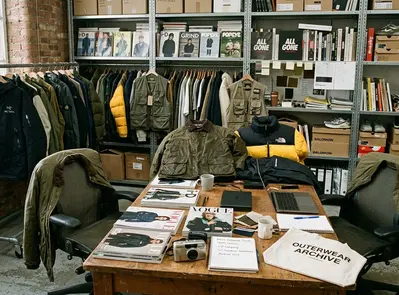
Heritage workwear is a construction mindset, not a fabric category. We have to widen the archive.
7. Lewis Leathers
They started as an 1892 Tailoring and Outfitters Shop. By 1926, they launched specialist racing clothing. Forget generic biker styling. Their archive is built on legitimate aviator kits and motorcycle apparel designed to save your skin on the tarmac.
8. Stutterheim
Look at their 2015 Autumn Winter collection. They perfected rubberised rainwear. You could throw heavy wool flannel under it and survive a North Sea storm. Their marketing slogan nailed the aesthetic perfectly: "Swedish melancholy at its driest."
Pro Tip: When evaluating heritage outerwear, check the hardware first. Heavy-gauge brass zippers and reinforced stress points tell you more about a jacket's intended lifespan than the leather grade alone.
The Technical Reality of Denim Production
Refuse the easy purist ending. Raw denim geekness matters. It taught a generation to read fabric, seams, fades, and provenance. But washed denim is an entirely different, highly engineered beast.
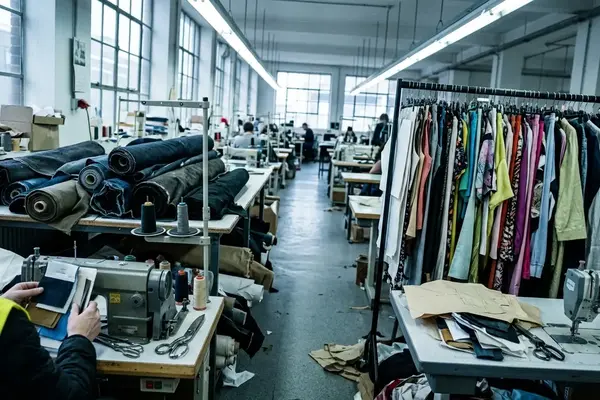
Take the Italo-wash perfected by Diesel. A strong factory wash requires controlled abrasion, dye behavior, garment handling, and repeatability across massive production runs. Raw selvedge is slow personal documentation—technical washing is engineered surface design.
Warning: While raw denim remains the gold standard for personal wear documentation, it is weaker as a total measure of denim quality because elite washed denim can require equal or greater technical control.
If you want to understand the technical complexity of denim production, you have to respect both sides of the loom. The balance between raw heritage and technical washing defines the modern menswear landscape.