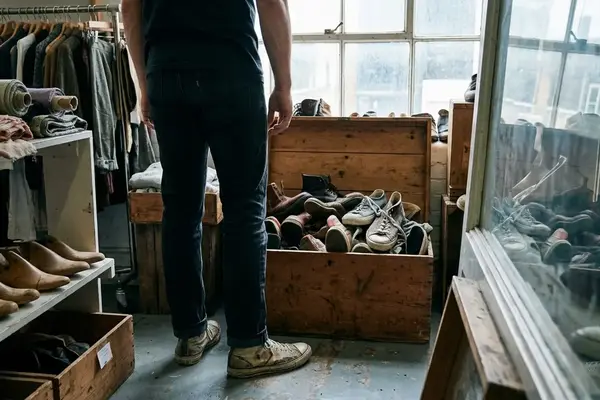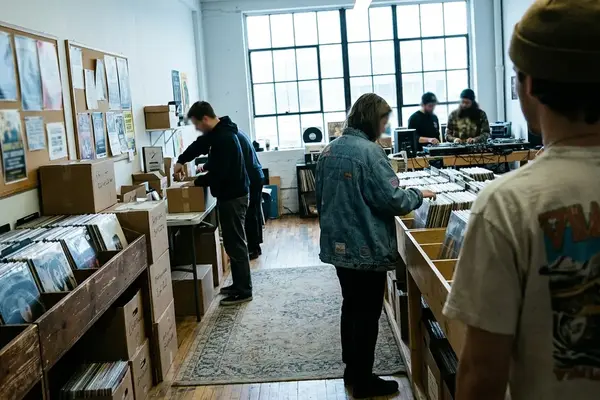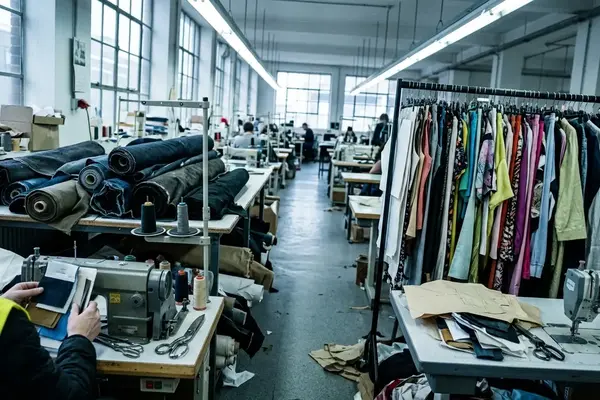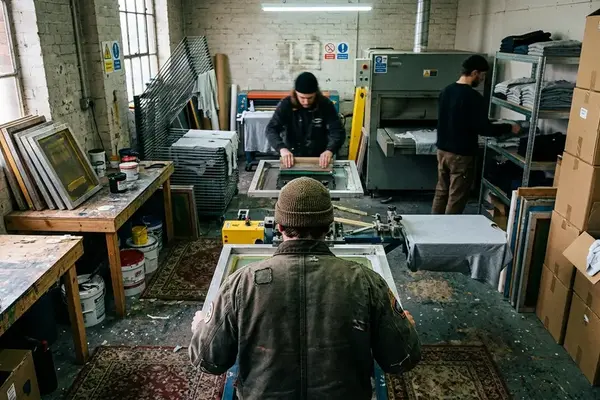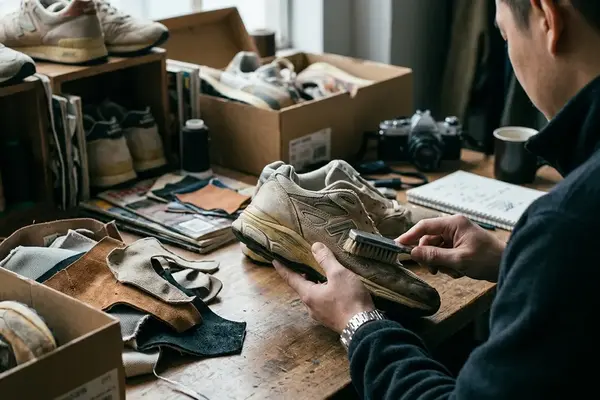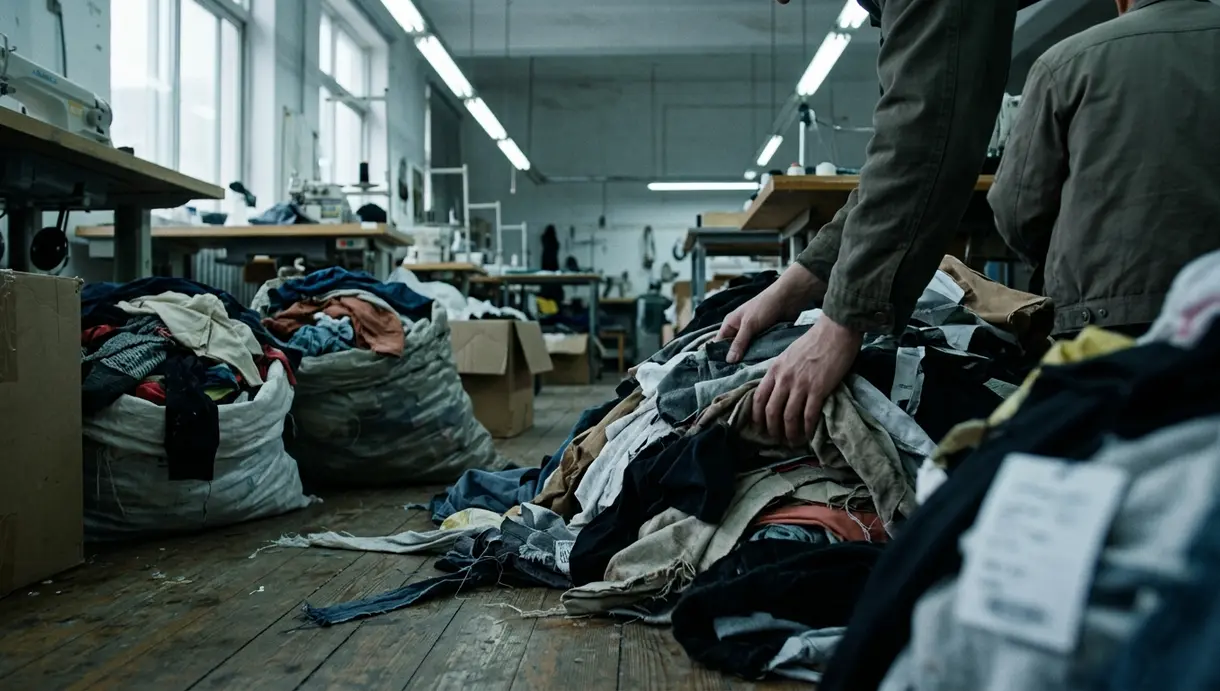

The independent streetwear hype model has a math problem before it has a taste problem. Limited drops can look clean on a feed, but the working capital behind them is often ugly: fabric booked months early, inventory trapped in odd sizes, seeded garments drifting through courier systems, and a launch calendar that asks a small team to behave like a legacy label with a media department.
Hype still has power when a real audience is already waiting. The failure comes when scarcity becomes the business model instead of the symptom of demand.
In this Article
- The Illusion of Artificial Scarcity
- The Financial Drain of Influencer Seeding
- Survivorship Bias in Streetwear
- Transitioning to the Core Collection Model
- Cultivating Genuine Subcultural Roots
The Illusion of Artificial Scarcity
The drop model did not start as theater. Early streetwear operators used inventory constraint because it solved two problems at once: it protected cash and turned a product release into a cultural signal. Make fewer pieces, let the line form, let the scene decide whether the garment deserves to travel.
That logic made sense when the queue was physical and the audience had a shared code. A Wool flannel overshirt at a basement store, a graphic tee tied to a local night, a cap that only made sense if someone knew the crew behind it. Scarcity was a side effect of scale, not a copywriting device.
From constraint to calendar trick
The modern version often flips the sequence. The brand announces scarcity before demand has earned it. Product pages count down. Email subject lines panic. The social copy behaves as if the piece has already entered legend.
Then the same pattern repeats every 3-6 weeks. Consumer fatigue appears because the ritual becomes predictable. Scarcity stops creating tension when it arrives on a schedule.
The timeline exposes the bluff
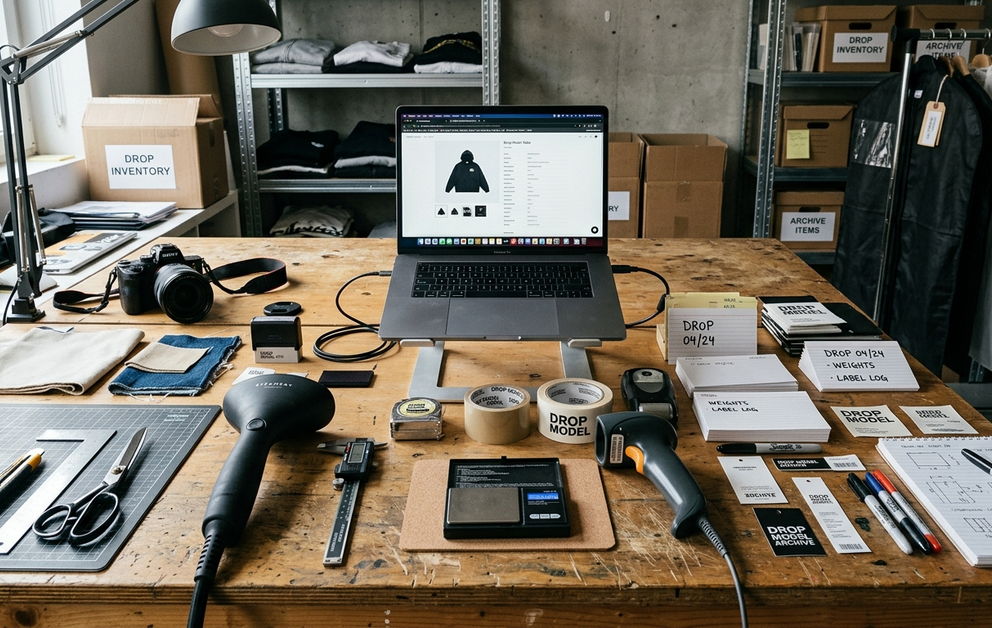
A small cut-and-sew drop usually demands decisions 10-16 weeks before launch. Fabric booking, sample correction, size grading, production slot, product photography, and launch copy all need to be locked before demand has been proven.
That is not agility. It is a bet dressed as urgency.
Key Takeaway: Scarcity works when it reflects real cultural pressure. It breaks when a brand uses it to cover uncertainty in product-market fit.
The Financial Drain of Influencer Seeding
The seeding decision usually starts as a shortcut. Instead of building a wholesale account list, a press list, or a local scene presence, the brand converts finished goods into speculative media spend.
For a lightweight cap, the gamble may be survivable. For heavy outerwear, it gets brutal fast. One seeded unit can absorb the garment cost, packaging, insurance, and courier fees before any sale can be attributed to the post. Domestic shipping alone becomes material once the piece crosses the 2-4 kg range.
The post arrives after the moment
A practical seeding cycle often runs 21-45 days from outreach to post: identify talent, confirm sizing, ship the garment, wait for styling, then hope the content lands while the product is still available. The calendar rarely respects the launch window.
Testing revealed a basic tension that many indies prefer not to name: the most expensive pieces to seed are often the ones that need the clearest selling story. Premium cut-and-sew, leather outerwear, and technical trousers require explanation. A mirror selfie rarely carries that burden.
Algorithm dependency is not distribution
Organic reach no longer behaves like a dependable channel for small labels. A post can look culturally adjacent, visually sharp, and still fail to move stock. That is not a moral failure; it is a distribution problem.
Large brands can absorb this because seeding sits inside a broader machine: retail accounts, press relationships, archive value, showroom appointments, and paid media. Independent brands often treat the same tactic as if visibility equals demand.
Warning: Trading finished inventory for fleeting digital visibility can drain cash faster than a poor sell-through rate, because the cost is paid before the audience proves it cares.
McKinsey's State of Fashion report has tracked the wider pressure on apparel businesses to manage volatility and consumer caution, but small streetwear labels feel that pressure at the unit level: one coat, one shipment, one missed conversion at a time. Read the broader market context in McKinsey's State of Fashion report.
Survivorship Bias in Streetwear
The mistake is reading the winners backward.
The visible outliers appear to prove that engineered scarcity, celebrity adjacency, and resale chatter form the formula. In reality, many of those brands already had one or more structural advantages: legacy awareness, venture funding, retail leverage, a founder with deep scene credibility, or a product category the audience already understood.
Outliers distort the playbook
Mitchell & Ness can release through nostalgia, league memory, and collector behavior. A new independent label cannot borrow that reservoir just because it uses a limited-run template. FC St. Pauli, German football club, can carry political and terrace symbolism into apparel because the badge already means something beyond fabric.
A hoodie line tied to a local basement rap scene, a technical trouser built for skaters, and a premium leather outerwear project do not respond to the same release cadence, seeding economics, or community strategy.
The sold-out page hides the boring truth
A brand can claim a drop sold through while still carrying scattered deadstock, returned units, or unsold adjacent styles that never appear in the public narrative. Product pages can say “sold out” while the brand holds fragmented sizes, damaged units, wholesale remainders, or unsold colorways off-site.
The cash drag usually appears 30-90 days after launch, when payment processor reserves, return windows, studio invoices, production balances, and storage costs all collide. That is the part Instagram does not archive.
This caveat matters in streetwear: hype mechanics can still function for an independent label with a real waiting audience, disciplined production quantities, and a product category people understand without heavy explanation. The trap is copying the surface before earning the conditions underneath.
Transitioning to the Core Collection Model
The healthier decision path starts with a blunt question: which garments deserve to exist for multiple seasons?
That question changes the calendar. Instead of rebuilding the brand around spectacle every month, the label plans around replenishment, fit refinement, and construction quality. The graphic stops carrying the whole business. The garment has to stand up without the countdown timer.
Build fit blocks, not one-off noise
A core collection can be planned on a 6-12 month product horizon, with fit blocks reused across tees, sweats, trousers, and outer layers instead of being rebuilt for every release. This does not mean bland basics. It means the brand treats pattern, fabric, hardware, and proportion as assets.
There is a difference between a blank hoodie and a house hoodie. The first is a commodity. The second has a shoulder line, rib tension, hood shape, and weight that regular buyers recognize before they read the label.
Use pre-orders without making customers finance chaos
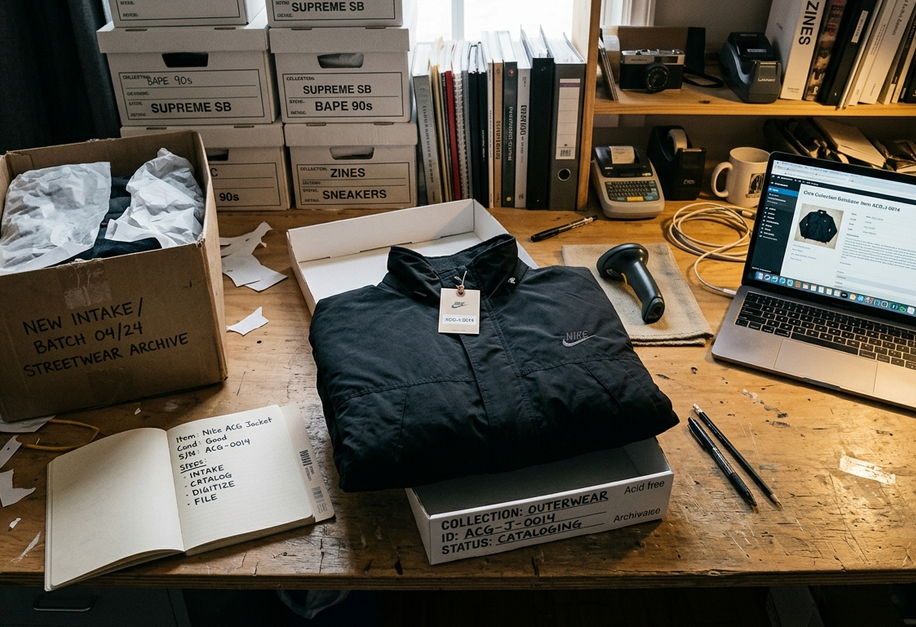
A pre-order window of 10-21 days gives a brand enough signal to place a cleaner production order while keeping customers close to the manufacturing timeline. The key is communication. Dates, fabric status, production stage, and shipping expectations need to be plain.
Pre-order does not excuse vagueness. It asks for trust, then has to repay it.
Pro Tip: Keep pre-order language grounded in manufacturing reality. “Cutting starts next week” is stronger than another moodboard caption about patience.
Cultivating Genuine Subcultural Roots
A brand cannot content-strategize its way into a subculture it has never served. The cultural decision is to stop treating community as a backdrop and start treating it as a place where the brand has obligations.
That means showing up before product is ready. It means paying collaborators. It means listening when the scene rejects the first idea because the cut is wrong, the graphic is lazy, or the reference has been stripped from its context.
Physical presence beats digital adjacency
Small-format activations can do more for memory than another feed post. A 40-100 person listening session, studio open house, zine table, or after-hours fitting appointment gives people a reason to handle the clothes and talk about them without being pushed through a funnel.
This is where underground music still teaches fashion something useful. Scenes form through repetition: the same rooms, the same faces, the same arguments about taste. A label that wants cultural equity has to tolerate that slower tempo.
Partnership is not product placement
Useful partnerships with music and art scenes often take 3-9 months to mature. The brand has to attend, contribute, and be seen repeatedly before people treat it as more than a sponsor.
The payoff is not instant scale. It is sharper meaning. A garment tied to a real night, a real crew, or a real local practice carries a different charge than a piece mailed to a celebrity stylist with no relationship to the work.
The hype model fails indies because it asks them to simulate demand. Genuine roots ask a harder question: what would still matter if the launch post disappeared tomorrow?