The Import Squeeze and Market Realities
The narrative of Lagos streetwear often leans heavily on a sudden, patriotic awakening of local taste. The reality is far more mechanical. Between May 2023 and stretches of 2024, Nigeria's official exchange rate shifted from roughly ₦460 to the dollar to above ₦1,400. That single macroeconomic lever fundamentally rewired the city's apparel market.
A standard $150 Western streetwear hoodie, once converted at 2024 levels, lands near or above the monthly disposable spending range of many young creative workers. And that is before a local retailer adds freight, duty, shop rent, or their own margin. The historical reliance on Western brand validation did not fade—it was forcibly priced out.
This pricing disparity created a massive vacuum. Local contemporary menswear stepped into that void not just as a cultural statement, but as an economic necessity. The youth demographic required garments that signaled global cultural participation without the prohibitive landed costs of imported luxury goods.
Alaba Market and the Bootleg Infrastructure
Consider the daily movement pattern of unauthorized apparel. Bulk arrivals enter a major market node, are immediately split into smaller lots by stall operators, photographed on phones, and pushed into WhatsApp, Instagram, and neighborhood reseller channels. All of this happens before formal shops can even reprice similar goods.
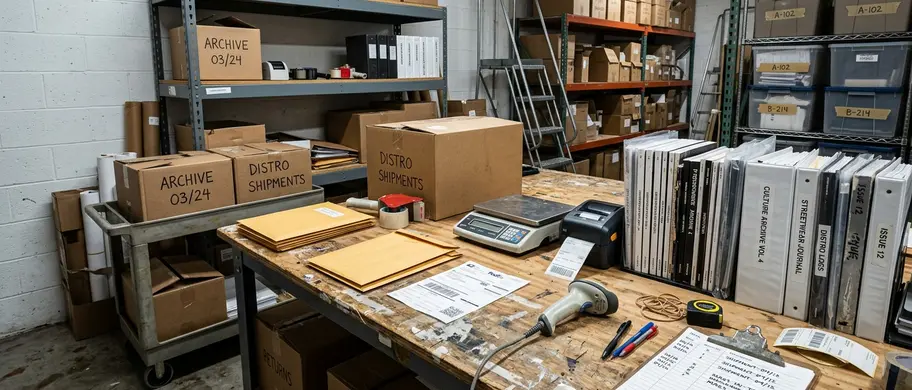
We need to look at the Alaba market ecosystem not as a counterfeit problem, but as a highly efficient, decentralized distribution network. This informal infrastructure trained local consumers. Buyers learned to appreciate oversized tees, distressed denim, varsity-style lettering, and drop-style scarcity through these channels, even when the garments were low-grade.
Now, emerging Lagos designers are reverse-engineering these exact supply chains. They use the same runner networks and phone-based resellers to distribute their own original cut-and-sew pieces, turning a bootleg distribution model into a legitimate retail engine.
Wardrobe Styling as the Cultural Engine
A stylist pulls three to eight looks from local designers for an Afrobeats music video shoot. They keep one hero garment on the lead artist, then privately credit the brand when the video clip circulates. In this ecosystem, the stylist acts as the primary market-maker.
The traditional route of designer to editorial magazine to boutique buyer simply does not exist here. Instead, the decision chain runs directly from designer to stylist to artist to fan. Placement on native artists drives immediate, trackable demand. Demand becomes visible within a couple of days after a high-engagement video snippet drops; practitioner accounts of local brand operations indicate as much. Direct messages flood in asking for price, size, and Lagos pickup options.
Diaspora demand usually appears in the exact same window. Requests for London, New York, Atlanta, or Toronto shipping spike, especially when the garment reads clearly on screen through a bold back print, an oversized silhouette, contrast stitching, or recognizable local language.
Navigating Local Manufacturing Constraints
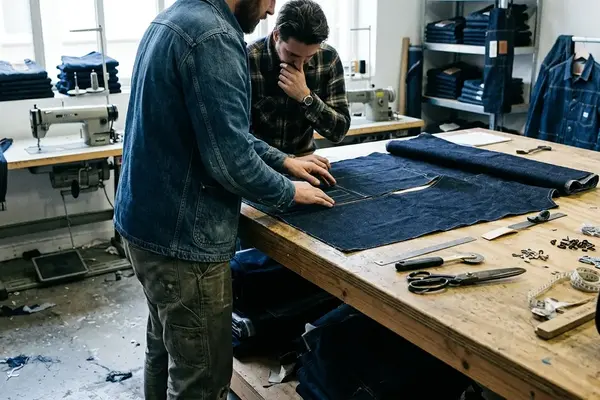
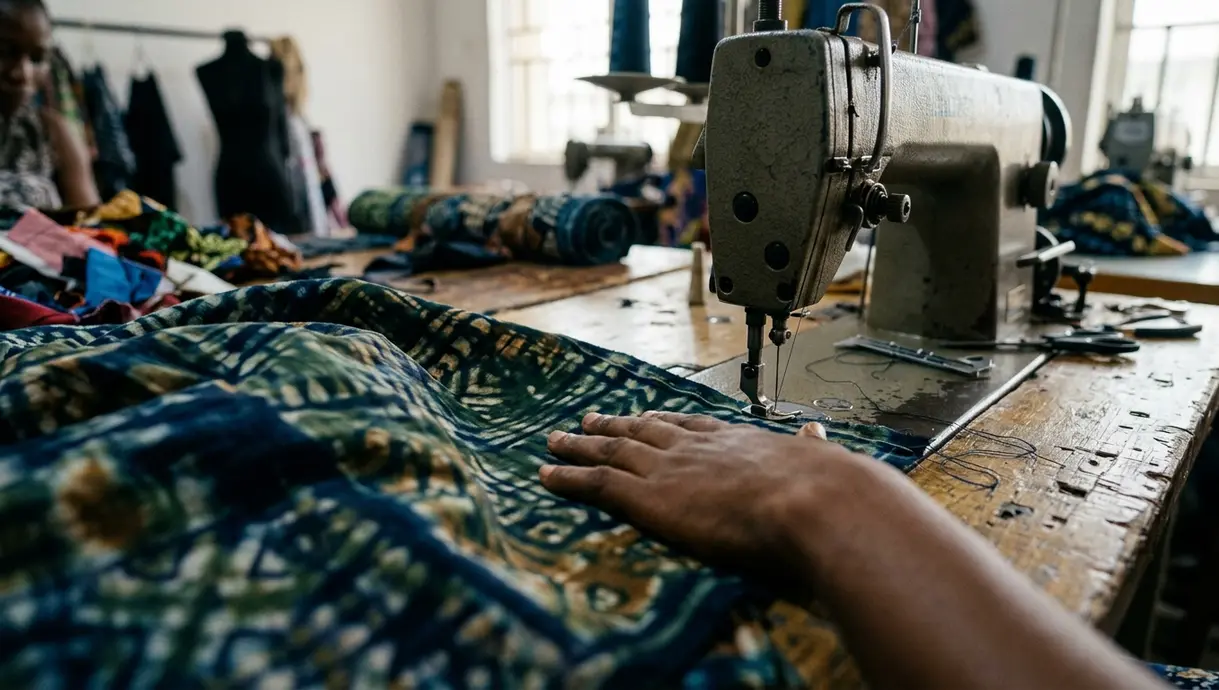
Building a brand requires navigating the physical realities of local cut-and-sew operations. Designers usually make a material decision first. Heavy cotton, canvas, and denim are easier to manage locally than technical nylons or seam-sealed rainwear. Keep in mind that this manufacturing argument fits cotton, denim, fleece, jersey, and canvas-led streetwear better than performance outerwear or sneaker-grade product development, which require specialized inputs and import reliability.
You might see a brand reference the heavy drape of a vintage Mitchell & Ness jersey or the texture of wool flannel worn on the terraces of FC St. Pauli, but they must translate those references into locally available heavy cottons.
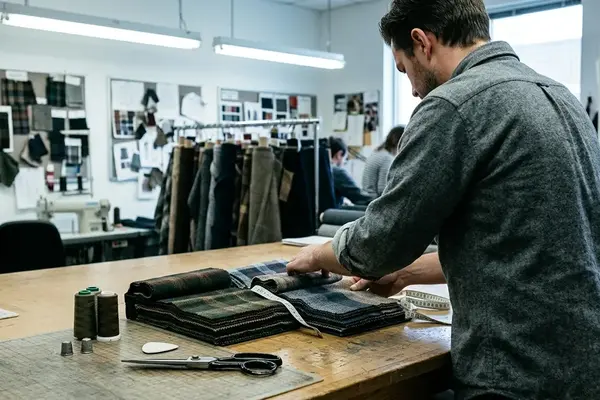
Small-batch production commonly sits in the 20 to 80 piece range per style. This allows a young label to test demand without locking cash in dead stock. The operational sequence for a basic premium tee or work jacket starts with fabric sourcing in a textile hub. Pattern adjustment takes one to three working days, followed by sample sewing over two to five days. Only after approval does size-run cutting begin, moving finally to finishing, pressing, tagging, and bagging.
Warning: Copying Western oversized sizing without adjusting shoulder width, sleeve length, and heat comfort can produce garments that photograph well but sit badly on local buyers.
Capturing Diaspora Capital Directly
Lagos brands are increasingly bypassing Western wholesale buyers entirely. The decision comes down to cash control. Direct-to-consumer e-commerce models allow the label to keep customer data, retain full margin, and dictate the release calendar.
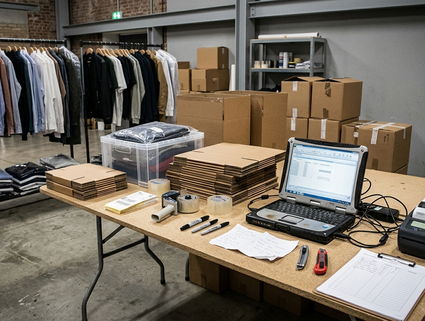
To capture diaspora purchasing power, brands host highly targeted pop-up retail experiences. Target cities are chosen for diaspora density and music-culture overlap: London for UK Nigerian youth culture, New York for fashion visibility, and Atlanta for music-linked Black cultural traffic.
A practical pop-up cycle runs six to ten weeks from city selection to stock dispatch. The team confirms a host space, sizes the inventory, shoots campaign assets, pushes appointment slots, ships or hand-carries the product, and reconciles unsold stock after the weekend.
Pro Tip: Mainland production access can reduce sewing cost and increase speed, while island retail visibility can raise perceived value. Strong brands often split the system rather than choosing one side of the city.
Revenue from a strong overseas weekend directly funds local infrastructure. It pays for fabric deposits, new industrial machines, improved packaging, or a larger Lagos production batch without waiting for a wholesale buyer's seasonal calendar.
Executing a Sovereign Drop Model
Executing a fully local drop architecture means building a product that can be sourced, cut, sewn, photographed, sold, and delivered inside Lagos without depending on a foreign buyer. Here is the exact sequence.
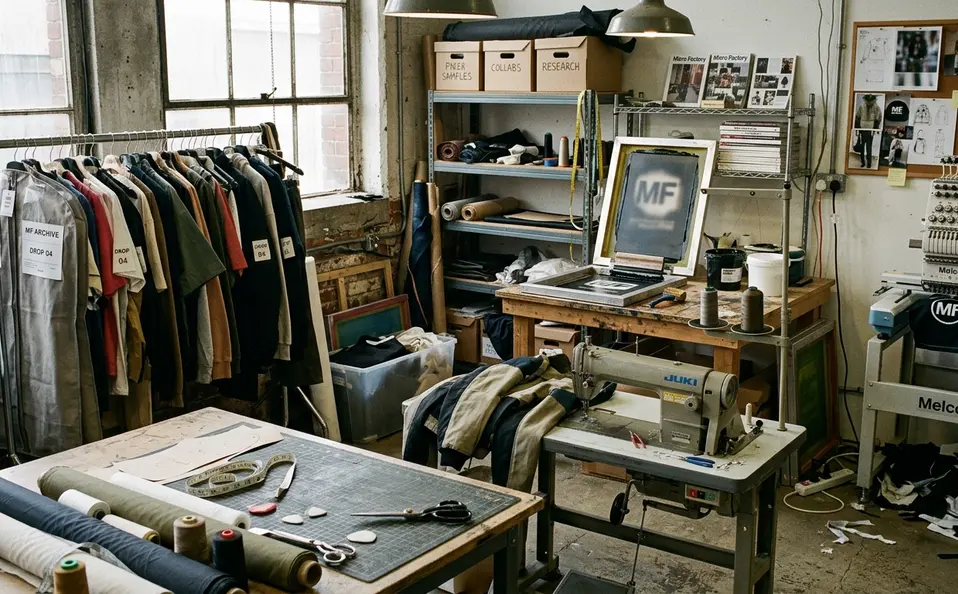
Start by sourcing raw canvas in Balogun market on a weekday morning. Buy enough yardage for a controlled size run. Send the fabric to a Surulere cutter with a paper pattern or existing sample. Approve one fit sample before releasing the full batch. The micro-factory workflow moves from the cutting table to panel bundling by size. Next comes the sewing of body seams and pockets, button or snap attachment, label insertion, thread trimming, pressing, and final inspection before packing.
Key Takeaway: A Lagos label can sell out online and still lose money if fabric shrinkage, rejected sewing, unpaid reservations, and rider returns are not priced into the drop before launch.
The sales funnel requires equal precision. Seed the garment to two or three stylists or scene photographers. Post fit images on Instagram, then push price and sizing through WhatsApp. The drop calendar begins with teaser images seven to ten days before release. Open a WhatsApp broadcast for early access 12 to 24 hours before public posting. Reserve pieces only after payment confirmation. On launch day, establish a pickup window for local buyers and utilize localized logistics networks for same-day rider delivery to confirmed mainland or island addresses paid before dispatch. Finally, collect buyer feedback on fit and fabric weight to refine the next production run.
Picture the arithmetic on a 50-piece canvas work jacket run: canvas bought at Balogun on Monday morning, cut in Surulere by Wednesday, first fit sample approved that Friday. Fifteen pieces get reserved and paid through WhatsApp before the public Instagram post even goes live, three go to stylists dressing an artist's shoot that same weekend, and the remaining stock clears through a rider run across the mainland and island on launch day. Fabric shrinkage claims two panels, one jacket comes back with a crooked pocket and gets re-sewn, and a single rider return eats the margin on one unit. The brand ends the weekend with a paid-out batch, a shot campaign, and enough cash in hand to deposit on the next roll of canvas—no wholesale buyer, no import invoice, no dollar exposure.