
The Evolution of Tokyo's Underground Retail
The late-1990s Ura-Harajuku movement birthed modern streetwear, but freezing Tokyo menswear in that era misses the current reality. Today's retail landscape operates behind unmarked doors. Over the past couple of years, the most compelling spaces abandoned main-street foot traffic entirely. You find them via map pins, private recommendations, and stairwell access.
The movement decentralized—Shimokitazawa absorbed the archive collectors, Nakameguro took the quiet tailoring, Tomigaya claimed utility, and Koenji held onto the music-linked retail. While academic analyses of the Ura-Harajuku movement provide essential historical context, the contemporary scene requires a different navigational approach. High commercial rents drove avant-garde menswear into residential alleys. The destination is now the experience.
Criteria for Selection
A boutique being hard to find does not automatically make it underground. Some hidden upstairs rooms operate like ordinary resale shops with no scene connection, weak provenance, and generic trend stock. We built this edit like a buyer's pull.
- Exclusivity of stock: You won't find racks of vintage Mitchell & Ness sportswear here. The stock test requires independent labels, obscure seasonal runs, or documented archive pieces.
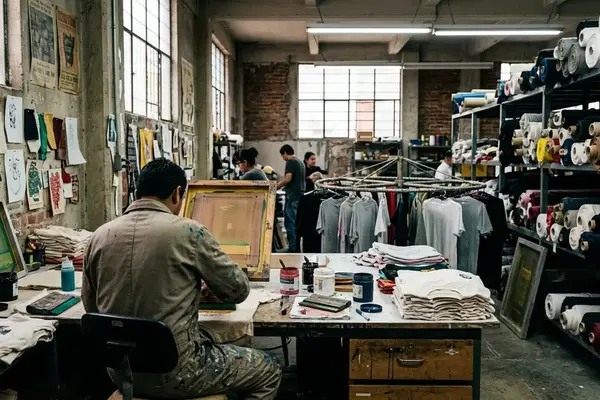
- Spatial design: We favor interiors that change how you handle garments. Look for raw plywood fixtures, exposed utility lighting, and deliberately sparse merchandising.
- Cultural integration: The culture test demands active participation. We looked for spaces that hosted small listening sessions, zine drops, or local artist objects during recent seasons.
1. The Archive Specialists in Shimokitazawa
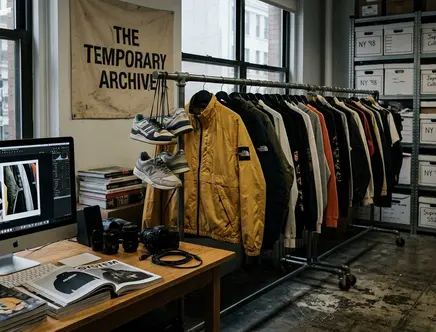
Custody matters as much as the garment itself. In Shimokitazawa, the focus locks onto late 1990s through early 2000s Japanese avant-garde menswear. Think asymmetric knits, coated cotton, and heavily patterned lining work.
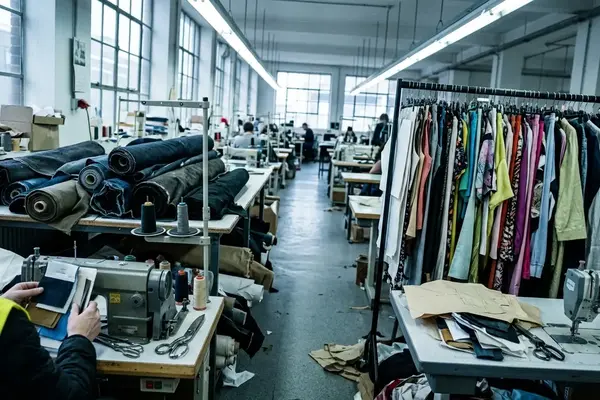
Archive value changes by garment condition and documentation. A rare jacket with replaced hardware or altered proportions demands a different conversation than a clean piece with coherent construction details. Authentication is meticulous. You check care label typography, country-of-origin tag placement, and interior seam finishing.
The store layout feels like a gallery. Pieces hang with breathing room on single rails. Staff often remove one garment at a time rather than letting you aggressively scan the rack. It forces you to slow down and respect the construction.
2. Avant-Garde Tailoring in Nakameguro
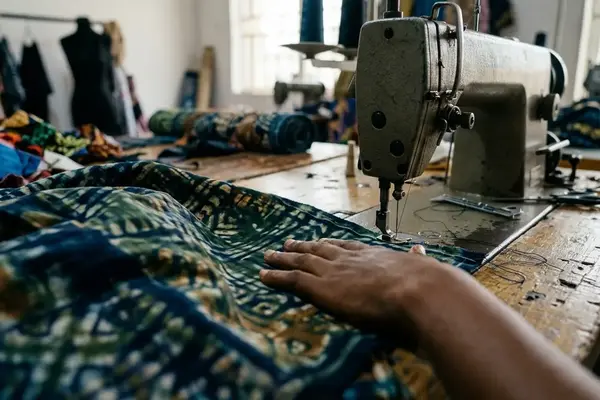
Nakameguro offers an antidote to fast styling. The approach here is tactile. You start with the fabric hand, move to construction, and finally observe how a jacket collapses or holds shape.
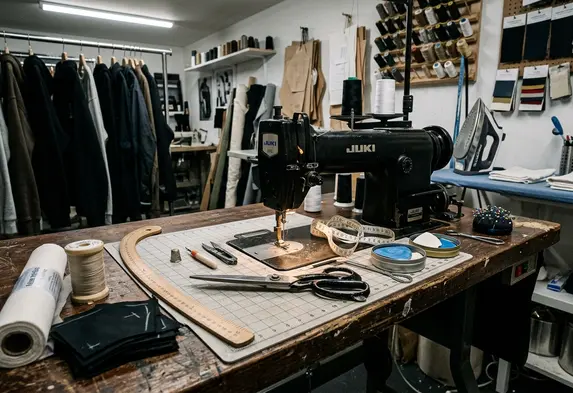
Appointment sessions run roughly 45 to 75 minutes. That gives you enough time to discuss shoulder pitch, sleeve break, and layering preferences without sales-floor pressure. The fabric language speaks in high-twist wool, washed linen, heavy wool flannel, and mud-toned natural dye palettes.
Design details reveal themselves slowly. Raw-edge lapels, offset closures, and trousers cut to sit perfectly over boots define the silhouette. Traditional Japanese dyeing techniques integrate seamlessly with these modern, deconstructed shapes.
3. Utilitarian Streetwear in Tomigaya
Function dictates form in Tomigaya. Tokyo neighborhood identity is context-dependent, and Tomigaya utility dressing should not be reduced to outdoor cosplay. The better boutiques demonstrate how weather protection and pocket logic integrate into daily wear.
You will find waterproof breathable membranes, high-density gabardine, and paraffin-coated cotton. Operational details separate the exceptional from the average.
- Are the zippers glove-friendly?
- Do the storm flaps sit flat against the chest?
- Do pocket bags distort the silhouette when loaded?
- Can hems be adjusted without ruining the line?
Our findings suggest that the best visiting window hits between early autumn and winter. This is when modular trousers, heavy liners, and shell jackets dominate the floor.
4. Post-Punk Revivalists in Koenji

Koenji operates as a live circuit. The retail spaces here connect directly to rehearsal rooms, small venues, and flyer culture. It carries the same defiant energy you might find on the terraces of FC St. Pauli, translated into heavy hardware and patched shirting.
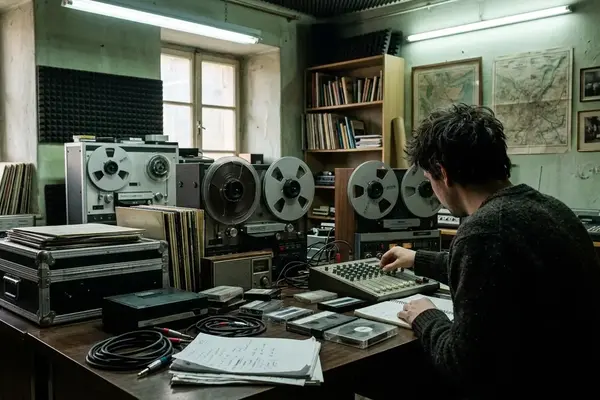
Merchandise signals include distressed leather, narrow black denim, metal hardware, and band-affiliated objects made in small batches. The interiors reflect a raw, DIY aesthetic. Scuffed floors, exposed cables, and hand-taped posters make the space feel closer to a rehearsal room than a polished showroom.
From what we found, late afternoon to evening visits prove more culturally revealing. Staff, musicians, and regulars cross paths before the night activity begins.
Scope and Limitations of Tokyo Retail
Hidden retail changes before guidebooks can print the address. Verify locations within a week of visiting, especially for basement units and spaces that announce schedule changes via short-form social posts.
Language preparation helps. Learn the Japanese terms for fabric composition, alteration, and deadstock. Anticipate strict policies. Many independent owners enforce no interior photography rules and limit try-ons for fragile archive pieces. Payment preferences vary wildly between cashless systems and cash-only rules.
Warning: While this methodology captures the current underground retail landscape, this guide is strongest for readers who value slow retail, fabric handling, and scene literacy; it is less useful for shoppers trying to complete a full wardrobe quickly in one high-traffic district.
Navigating the Subcultural Landscape
Route logic beats a hype map. Plan one or two neighborhoods per day. Transfers, stairwell entrances, and unplanned conversations consume your useful shopping window. Pair Shimokitazawa and Koenji on one culture-heavy day. Save Nakameguro and Tomigaya for a slower fabric-and-fit day.
Pro Tip: Residential etiquette is non-negotiable. Keep voices low outside storefronts, avoid blocking apartment entrances, and step away from narrow alleys before checking map apps.
Does physical retail still matter in a digital-first ecosystem? When the space demands this level of intention, absolutely. The friction of finding these boutiques is part of their value. It filters out the casual consumer and preserves the culture for those willing to do the work.
Key Takeaway: Tokyo's best menswear is no longer found on the main streets. It requires neighborhood literacy, respect for store etiquette, and an appreciation for garment construction over brand hype.