In this Article
- The Reality of Cut-and-Sew Production
- Bridging the Factory Communication Gap
- True MOQs and Sampling Surcharges
- Fabric Sourcing and Shrinkage Liability
- Pattern Grading Across Size Runs
- Custom Trims and Hardware Limits
- Realistic Lead Times for Revisions
- Acceptable Variance and QC Process
- Payment Terms and Pattern Ownership
The Reality of Cut-and-Sew Production
The first factory conversation tells you what kind of brand you are building. Printing on blanks lets you behave like a merch desk. Cut-and-sew does not.
Once you ask a factory to build the garment from cloth, you own the anatomy: fabric, fit, trims, grading, wash behavior, seam construction, label placement, packaging, and the miserable little tolerance arguments that decide whether a hoodie feels intentional or cheap. That shift is the primary filter between serious streetwear labels and projects selling decoration on someone else’s block.
I have seen a clean graphic idea collapse because the body block was never resolved. The print was sharp. The garment was not. A fleece hoodie can pass the first fit sample and still fail bulk if shrinkage is tested only after the full roll is cut.
A cut-and-sew sample normally needs a tech pack, measurement spec, fabric reference, trim callouts, construction notes, and at least one fit review before bulk approval. Sampling often moves through first fit sample, revised fit sample, pre-production sample, and size set before production cutting is authorized. Skip that sequence and you are not moving fast; you are moving blind.
Key Takeaway: A factory is not buying into your moodboard. It is pricing risk, machine time, operator flow, and the odds that your notes will change after the sample room has already done the work.
Bridging the Factory Communication Gap
Factories operate on margin and efficiency. Designers operate on vision and detail. That friction is not a personality clash; it is the basic physics of garment production.
A designer says boxy oversized fit. A factory needs shoulder width, chest width, body length, sleeve length, armhole depth, and sweep measurements in the sample size. A designer says terrace-inspired. A factory needs to know whether the rib sits tight like old football training gear or relaxed like a washed-out FC St. Pauli: German football club scarf worn under a coach jacket.
The questions in this guide apply specifically to custom cut-and-sew production; wholesale blanks, print-on-demand, and simple decoration programs follow a different supply chain logic. That matters because blanks move around inventory. Cut-and-sew moves around decisions.
Conversations with veteran production managers tend to return to the same irritation: vague tech packs and unasked questions clog the sample room. Factories usually need comments returned on a sample within roughly 2 to 5 working days if the brand wants to keep the revision slot active. Miss that window and your second sample may not be late because the factory is lazy. It may be late because you lost your place in the queue.
1. What Are Your True MOQs and Sampling Surcharges?
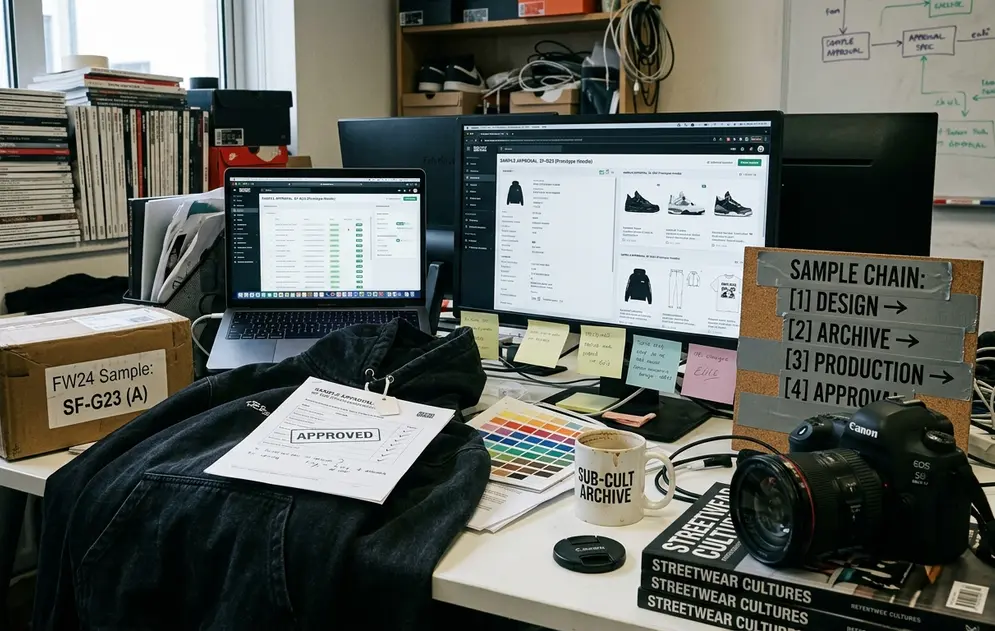
A low MOQ is not automatically friendly to a young brand if the factory adds LTM surcharges, separate trim MOQs, and non-deductible sample fees.
Ask for the split, not the headline number
Minimum Order Quantities are rarely one clean threshold. Ask whether the minimum applies per style, per colorway, per fabric quality, per size spread, or across the whole purchase order. Those categories create very different exposure for a small drop.
If you are building two hoodies in one fleece and three garment-dyed tees in another jersey, one factory may count that as five styles. Another may count by fabric quality. A third may let the total order carry the minimum, then price the awkward pieces with surcharges. The number on the email is not the number in the business model.
Sampling is priced like disruption
Sampling premiums commonly sit at roughly 2x to 3x the estimated bulk unit cost because the factory is cutting one-off pieces, setting machines, and assigning pattern or sample-room labor outside normal flow. That does not make the factory predatory. It means a single sample interrupts the rhythm that bulk production depends on.
- Does the MOQ apply per style, colorway, fabric quality, or purchase order?
- Is there a Less Than Minimum surcharge for smaller runs?
- Is the sample charge credited back after bulk production?
- If credited, does it apply to the same style, the same season, or the same invoice?
Warning: Do not approve a sample price before you understand the bulk minimum. A beautiful sample can become a very expensive souvenir.
2. Who Holds Liability for Fabric Sourcing and Shrinkage?
This question decides who owns the textile risk before scissors or automated cutters touch the roll.
Under CMT, the brand typically supplies fabric and accepts responsibility for suitability unless the factory has agreed to test or advise on it. Under a fully factored arrangement, often called FOB, the factory sources the textile and builds that cost into the garment price. The difference sounds administrative until a roll of fleece shrinks outside tolerance or a black rib bleeds into a pale body panel.
Write the failure points down
Fabric liability should be attached to specific problems: roll defects, shade variation, shrinkage outside approved tolerance, color transfer, and damage during storage or handling. Do not leave it as a handshake phrase like fabric issue.
Ask for shrinkage testing before bulk cutting, especially on fleece, jersey, denim, rib, and garment-wash programs. For washed or dyed garments, request a pre-cut or pre-production fabric test after laundering conditions are confirmed, not after the full roll has been cut. If formal methods are required, reference standardized textile testing protocols rather than inventing your own ritual in the studio sink.
Pro Tip: Put fabric liability into the purchase order language. Emails are useful, but the purchase order is what people open when money starts leaving the room.
3. How Do You Handle Pattern Grading Across Size Runs?
An oversized streetwear silhouette can be damaged by standard grading because shoulder width, sleeve pitch, and body length do not scale cleanly across every size.
The base size is only the start
The base sample is commonly made in Medium, then graded down to XS or S and up to XL, XXL, or larger depending on the size range. That graded nest is not a photocopier trick. It is a set of decisions about where volume grows and where it should stay controlled.
Pattern cutters get particularly twitchy around drop-shoulder tops. Check the shoulder point, sleeve pitch, armhole depth, and cuff opening because those areas distort faster than a standard shoulder seam when scaled up. If you want a cropped box shape, body length cannot climb like a conventional sweatshirt without killing the proportion.
Ask to see the graded measurements before size set
Before size-set sampling, review the graded measurement chart for chest, shoulder, body length, sleeve length, and hem width. This is where you catch the monster size that looks like a blanket and the small size that has lost the whole attitude of the garment.
The same logic sits behind vintage Mitchell & Ness pieces and old Wool flannel overshirts: proportion carries identity. Get the grade wrong and the reference disappears, even if the fabric and trims are right.
4. What Are the Limitations on Custom Trims and Hardware?
The sewing factory may stitch the zipper beautifully while still depending on an outside supplier for the zipper puller. That split catches new brands out.
Separate factory control from supplier control
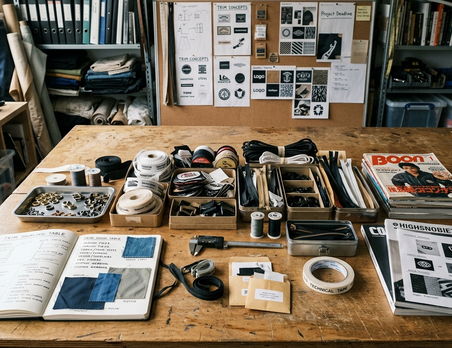
Custom woven labels, branded snaps, zipper pullers, aglets, and cast metal pieces may carry supplier MOQs separate from the garment MOQ. A factory can agree to make 150 jackets, while the zipper puller supplier still wants a larger hardware order. The garment minimum and the trim minimum are not the same negotiation.
Ask whether the factory has established relationships with hardware vendors or whether you need to source and ship trims directly. If the brand ships trims, confirm carton labeling, trim count, overage allowance, delivery address, and the latest arrival date before the sample-room slot.
Hardware can own the calendar
Custom-molded or plated metal hardware can add roughly 15 to 35 working days to sampling once artwork, mold files, finish references, and approvals are complete. That is not a small footnote. It can decide whether your pre-production sample arrives before or after the selling window you were banking on.
- Confirm trim supplier MOQs separately from garment MOQs.
- Ask who approves artwork, mold files, and finish references.
- Set a latest arrival date for trims before sampling begins.
- Agree the overage allowance for labels, snaps, zips, and hardware.
5. What Are Your Realistic Lead Times for Revisions?
Lead time should be treated as a chain of approvals, not one grand calendar promise.
A first cut-and-sew sample can take roughly 10 to 25 working days after the factory has complete tech packs, fabric direction, trim instructions, and payment for sampling. A second revision often takes about 7 to 18 working days if the fabric and trims stay the same. Change fabric weight, wash, or hardware and the clock can reset because the original approval path no longer applies.
Sampling time and bulk time are different beasts
Ask the factory to separate sampling lead time from bulk production lead time. A factory may sample quickly because the sample room has capacity, while bulk sewing is booked behind another client’s run. The reverse can happen too: bulk lines may be open, but pattern corrections sit in a queue.
Seasonal closures deserve direct questioning. Lunar New Year and European August holidays do not start and stop neatly at the public dates. A factory may slow sample-room work several working days before the official closure and resume bulk scheduling several working days after reopening.
Warning: If your launch plan depends on one perfect first sample, the plan is theatre. Build time for a second sample before you spend on lookbook production, showroom appointments, or paid pre-orders.
6. What Is Your Acceptable Variance and QC Process?
QC turns taste into measurable acceptance.
Garment tolerance is often written as plus or minus half an inch on key measurements, though tighter or looser tolerances may be needed depending on fabric stretch, wash treatment, and construction. A washed jersey tee and a bonded technical shell should not be policed with the same blunt instrument.
Define the inspection points
Ask whether QC happens inline during sewing, at end-of-line pressing, before bagging, or only after the full run is complete. Inline checks catch construction problems while operators can still correct the process. Final inspection catches what made it through, which is useful but less forgiving.
Define defects by type: measurement outside tolerance, open seams, skipped stitches, fabric holes, shade mismatch, print placement error, broken hardware, loose labels, and packaging mistakes. Then ask how the factory compensates for units that fail QC. Replacement, repair, discount, remake, or credit are different remedies.
Ask what the factory considers acceptable
Do not wait until cartons arrive to argue about the acceptable share of defective units. Put the threshold and remedy process into the production agreement before cutting starts. This is not paranoia. It is the only way to keep quality language from turning into taste language when both sides are tired.
7. What Are the Payment Terms, Pattern Ownership, and IP Controls?
Payment terms decide who carries financial pressure. Pattern ownership decides who controls the garment after the invoice is paid.
Deposits are only one part of the deal
Common deposit structures require roughly 30% to 50% upfront, with the balance due after completion, before shipment, or after inspection depending on the factory relationship. The important question is not only how much goes down. Ask what releases the balance payment: photo approval, final inspection, packing list, freight booking, or release of goods.
Then ask who owns the physical paper patterns, digital CAD files, graded nests, markers, and revised tech packs after payment. Some factories treat those assets as their property. Some release them. Some release only the final tech pack, not the production marker. Do not discover that after the fit block has become central to your label.
Use practical IP controls
If an NDA is used, pair it with practical controls: limited file access, style names instead of public collection names, and written restrictions on reusing custom blocks, artwork, and trim molds. Legal language without production discipline is just expensive wallpaper.
Here is a copyable case. You are sampling a 420gsm fleece hoodie in black and washed ash, size XS to XXL, with a custom rubber zip pull and woven neck label. Send the factory one tech pack with Medium measurements, fabric reference, construction notes, trim artwork, and a grading request. Ask for MOQ split by style, colorway, and fabric quality; sample cost and whether it credits back to the same style; CMT or FOB fabric liability; shrinkage test before cutting; graded chart before size set; trim supplier MOQ and latest trim arrival date; first sample timing, second revision timing, and closure dates; QC tolerance on chest, shoulder, body length, sleeve, and hem; deposit percentage, balance trigger, and ownership of CAD files, graded nests, markers, and revised tech packs after payment. Put the answers into the purchase order before the sample invoice is paid.